A Teacher with More Than One Working Life
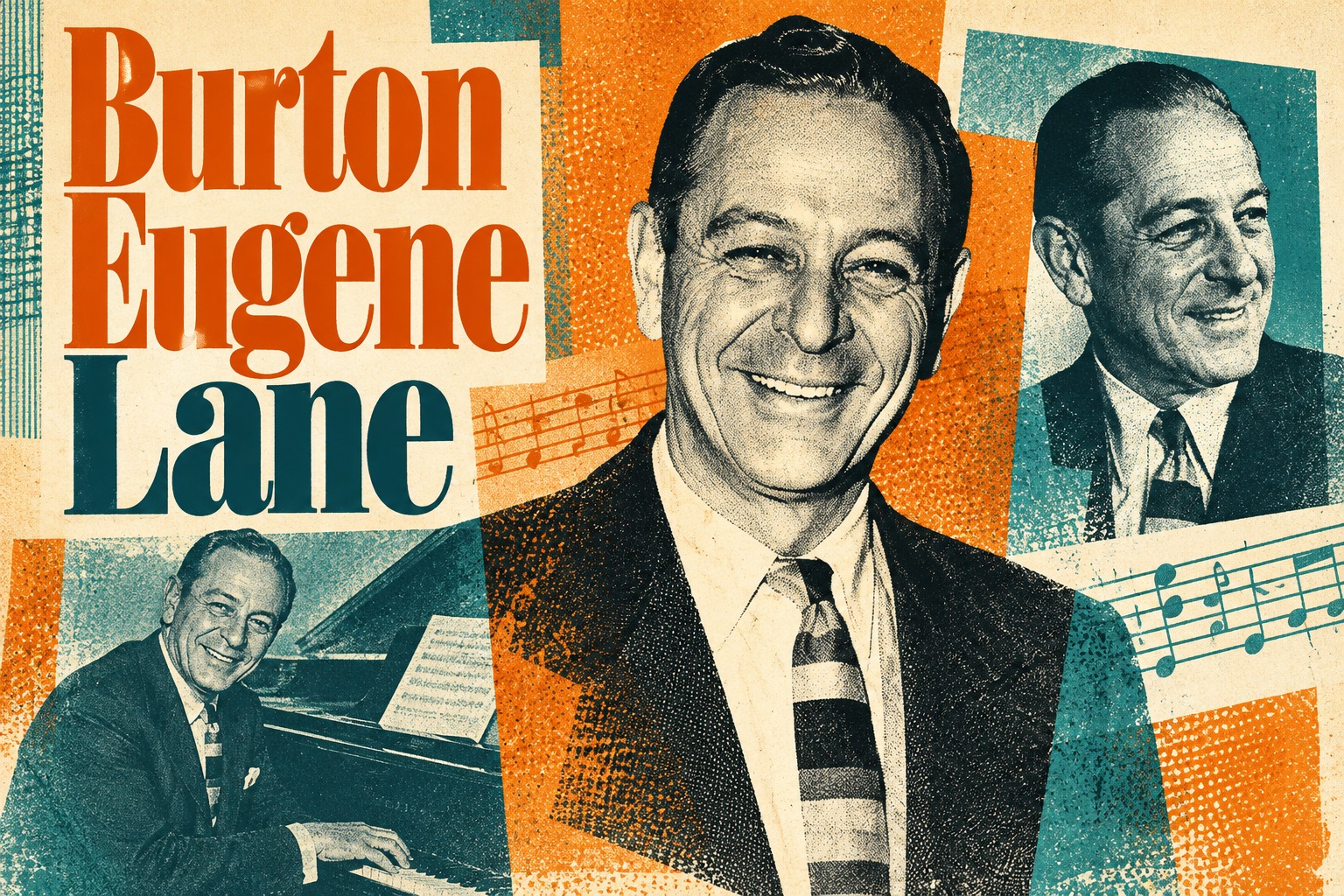
Burton Eugene Lane, often called Burt, occupied several corners of New York life. He taught acting, drove a taxi, and later taught humanities. He was also the father who raised actress Diane Lane through much of her childhood. I find the combination vivid: artistic ambition and everyday necessity sharing the same city streets.
Born in 1930 and deceased in 2002, Burton belonged to a generation whose theatrical work often took place well outside the most visible Broadway productions. His strongest professional associations lie in teaching and workshops, particularly his connection with John Cassavetes. His daughter’s later fame preserved details of that working life that might otherwise have remained within a much smaller theatrical circle.
The Workshop Years
During the 1950s, Burt Lane was involved in a Manhattan actors’ workshop alongside Cassavetes. The connection places him within an energetic period of experimentation, when actors and filmmakers were testing approaches to performance beyond established commercial routines.
A workshop is a particular kind of artistic space. It gives performers room to attempt, revise, and fail before a finished production reaches an audience. I am drawn to Lane’s role there because teaching can shape a creative community without producing a famous list of starring credits. The contribution happens through other people’s developing work.
His theatrical associations also included activity connected with the Provincetown Playhouse and stage or house management. Those practical responsibilities belong to the machinery that keeps a theater functioning. They sit naturally beside coaching, suggesting a working relationship with performance that extended beyond appearing in front of an audience.
There is no established major filmography or catalogue of compositions under his name. That absence becomes particularly important because another Burton Lane was a celebrated Broadway composer. The two men were different people, with different dates and careers.
Colleen Farrington and the Birth of Diane
Burton married Colleen Leigh Violet Farrington, known professionally as Colleen Farrington. She worked as a model and nightclub singer and was a Playboy Playmate in October 1957. Her performing background placed both parents within creative worlds, although their marriage did not last.
Their daughter Diane was born in 1965. Burton and Colleen separated while she was still very young, and the family later experienced difficult custody disputes. Diane spent much of her childhood being raised by her father in New York.
The separation and custody conflict were real parts of the family story. At the same time, they were not the whole of Diane’s relationship with either parent. A child’s experience of family cannot be reduced to the legal episodes that become easiest to retell.
New York from the Back Seat
One of the most memorable details of Burton’s fatherhood is that Diane accompanied him while he drove a taxi. The image places their life within the moving geography of New York: work, travel, and childcare occupying the same vehicle.
I find it compelling because it is concrete. It does not require an invented speech about perseverance or an imagined lesson delivered at every stoplight. A father was earning money, and his daughter was with him. That practical arrangement became part of her recollection of growing up.
Taxi driving also complicates the romantic picture of an acting coach surrounded only by rehearsals and artistic conversation. Creative work did not necessarily provide a complete livelihood. Burton’s biography includes the ordinary pressure of making ends meet alongside his involvement in performance.
His later humanities teaching at City College adds another classroom to the story. Acting instruction and humanities education are different undertakings, but both involve interpretation, language, and attention to human behavior. They show a professional life that cannot be summarized by a single job title.
A Daughter Entering the Profession
Diane Lane developed her own career as an actress, eventually becoming an Academy Award nominee. Her father’s theatrical background was part of the environment around her early life, while her later work belonged to her own professional development.
The distinction is worth keeping clear. Burton’s association with Cassavetes and his acting workshop do not make him the author of every artistic choice Diane made. They do, however, explain why performance was a familiar presence in her childhood rather than a completely distant world.
Her family life later extended the Lane story into another generation. Diane and actor Christopher Lambert had a daughter, Eleanor Jasmine Lambert, in 1993. Eleanor is therefore Burton’s granddaughter. She has pursued public work connected with modeling and acting, adding another creative branch to the family.
Burton lived until 2002, so Eleanor’s early childhood fell within his lifetime. The details of their private relationship are not publicly established. The dates are enough to locate them within the same family period without supplying imagined scenes of grandfatherhood.
Keeping Two Burton Lanes Separate
The acting teacher Burton Eugene Lane should not be confused with composer Burton Lane, who lived from 1912 to 1997. The composer belongs to Broadway’s musical history; Diane Lane’s father belongs to a different record of teaching, theatrical workshops, and family life.
I see this as more than a spelling correction. When credits migrate between people with similar names, the resulting biography becomes a collage of accomplishments nobody actually lived. Burton Eugene Lane’s working life has its own substance without borrowing a composer’s celebrated songs.
His finances are likewise not publicly established in a reliable personal accounting. Driving a taxi and teaching provide occupational facts, not a complete balance sheet. The surviving outline is of a working teacher and father whose story remained closely connected with New York and with his daughter’s memories.
FAQ
Who was Burton Eugene Lane?
He was a drama teacher and acting coach known as Burt Lane. He also worked as a taxi driver and taught humanities, and he was the father of actress Diane Lane.
How was he connected with John Cassavetes?
He worked with Cassavetes in a Manhattan acting workshop during the 1950s. The association places him within the theatrical and experimental performance community of that period.
Who was his wife?
He was married to model and singer Colleen Farrington. Their daughter Diane was born in 1965, and the marriage ended while she was young.
Was he the Broadway composer Burton Lane?
No. The composer, born in 1912, was a different person. Burton Eugene Lane, Diane’s father, was born in 1930 and died in 2002.